Ways to Well-being
Chang Park | FEB 9, 2024
Ways to Well-being
Chang Park | FEB 9, 2024
Hello, lovely human. How are you? Well, I hope.
What does it mean to you to be well?
I’ve been working with a team of health and well-being coaches over the past year and find myself visiting what well-being means and how we can help ourselves and others harness this quality that goes beyond health.

The Meaning of Well-being
The WHO (World Health Organisation) set out in its constitution a definition which recognises that health isn’t just the absence of illness but rather
I remember well another definition that stuck with me, from a psychiatrist colleague who suggested that well-being was
And, the simplicity of this take by Prof. Sarah Stewart-Brown, Professor of Public Health at Warwick University, in a lecture on well-being. She described it as a subjective and experiential state that was
But I think I like this one the most, a 2021 definition from the UK International Health Coaches Association. It recognises the dynamic and individual nature of the health continuum as
Ways to Well-being
Ok, so we have some ideas about what it means to be well, but what about how to be well?
Let’s start with an offering from that wise man, Charlie Chaplin, that made me smile. He shared some thoughts about this when he said that the six biggest doctors in the world were

The BSLM (British Society of Lifestyle Medicine) has its own take on the matter, listing the six evidence-based pillars that support optimal health:

Let’s see what the NHS has to say. It promotes five ways to well-being in these broad categories:
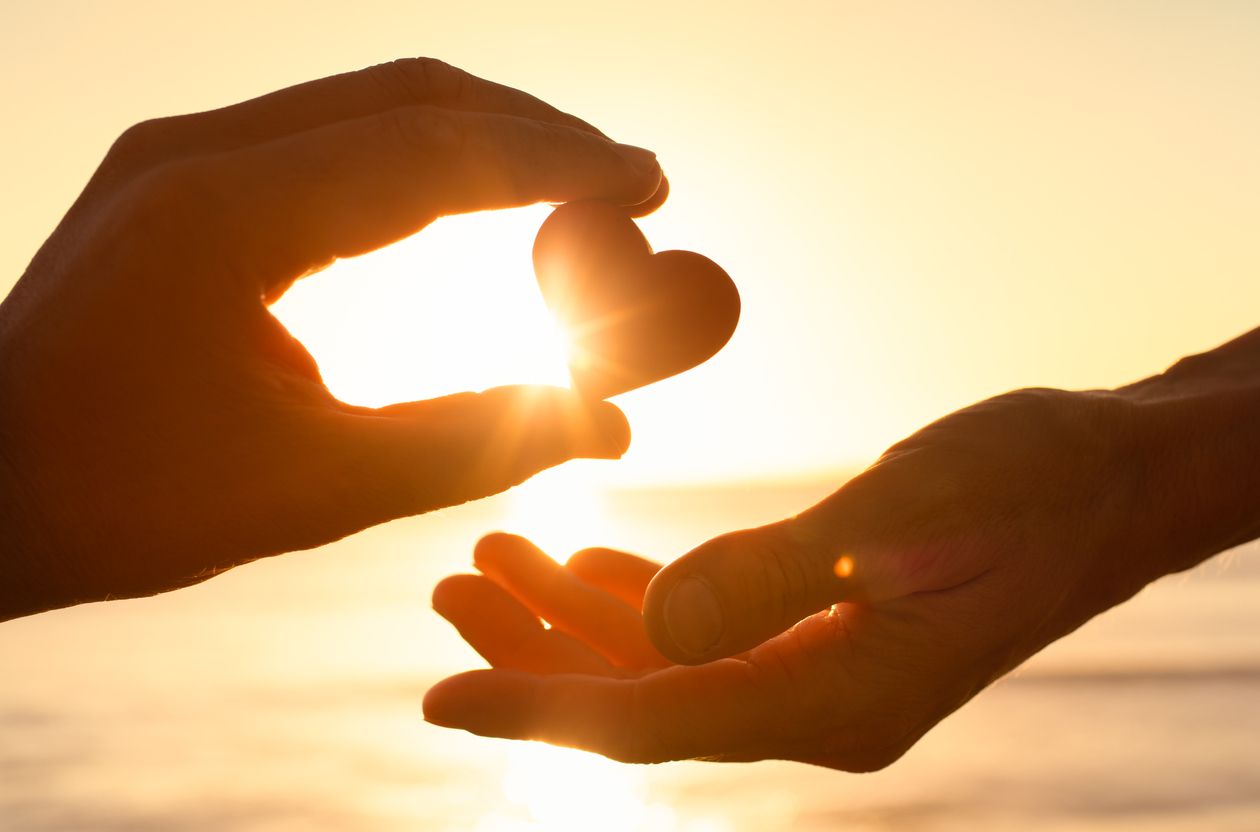
And Laurie Santos, Professor of Psychology who runs the most popular course at Yale University - The Science of Well-being - (highly recommended and free to enrol), lays bare the evidence for what makes us healthier and happier. Money, fame, status, power? Not really. Rather,

Only this week did I come across another framework, one of the oldest and most rigorously tested models and cross-culturally significant. And it’s perhaps my favourite. Constructed by Professor Carol Rhff of the University of Wisconsin-Madison, a decades-long well-being researcher, her six criteria for psychological well-being are as follows:

A Wellness Prescription
A fair overlap exists between these ideas that bridge biology, psychology and even philosophy. The same themes seem to appear again and again no matter who says so (whether Charlie Chaplin, granny, your religion, or Professor of choice.)
I feel well-informed when I explain to a patient that meeting a friend, joining a gardening group, or volunteering is medicine itself and something no doctor can do for you.
So, well-being isn’t just about feeling good all the time. Agency, purpose, generosity, learning, gratitude, mindset and personal growth are some of the fundamental factors contributing to our well-being. Just as important as diet and exercise.
And isn’t it interesting to see that the common denominator, the one essential ingredient in everyone's equation, is connection?

The Yogic Recipe
What makes up the elements of your personal well-being equation?
Yoga is often considered an ultimate wellness practice for many, and it is certainly one of mine. Why? Through the lens of well-being, if you pick up the yoga recipe book, it reads like a manual for human wellness - peppering our lives with healthy ingredients.
Our efforts on the mat predictably grow bodily health, but we also learn confidence, esteem and personal responsibility through anything practised with diligence. Yoga encourages us to tend to our minds as much as our bodies - to understand ourselves better and dispel delusions, distractions and ignorances that agitate us, helping systems recalibrate to new states of mindfulness, ease and resilience.
Those of us who take on board the guidelines of a yogic lifestyle will know that living one's purpose (Dharma), being of service (Seva) and fostering community (Sangha) are just a few of the essential components of daily living.
And lying at the heart of yoga is a spiritual message that connects us to everyone and everything, inspiring us to live in accordance with that harmonious principle.
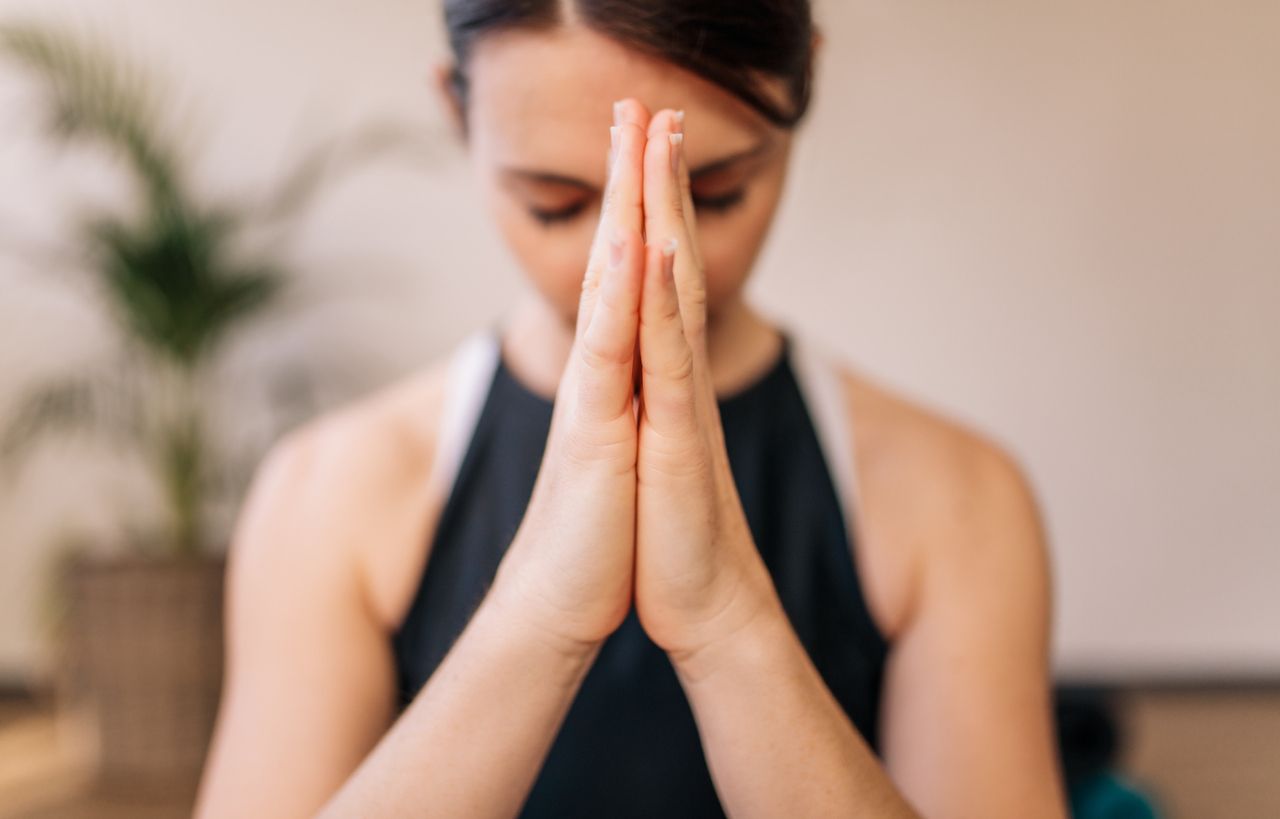
So, having peered through various windows into well-being, I’ll share this nice perspective from the legendary yogi BKS Iyengar, which may resonate with practitioners...
Wishing you Well...
Let’s practise.
Chang Park | FEB 9, 2024
Share this blog post
 OfferingTree