Triang Mukha... ...
Chang Park | MAR 17, 2023
Triang Mukha... ...
Chang Park | MAR 17, 2023
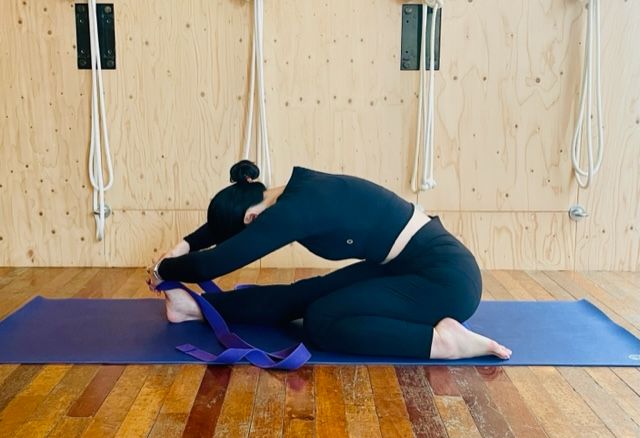
"triang" - three limbs, "mukha" - face, "eka" - one, "pada" - foot, "paschima" - West, "uttana" - intense and "asana" - pose. So, translated could go something like this: three-limbed and face intense one-footed back (West) stretch.
I 🧡 Sanskrit
For some people, using Sanskrit in a yoga class can feel weird, intimidating, or even off-putting. But I, for one, find Sanskrit a beautiful language to listen to and say (erm, attempt to pronounce) out loud, and I get a thrill realising that we are using an ancient language rarely spoken in the modern age. Although still taught, it's no longer spoken widely in India, but it was the language of much of the rich wisdom teachings and texts of the yoga tradition.
The above pose, Triang Mukhaikapada Paschimottanasana, uttered in Sanskrit, is quite a mouthful, eh? You may, of course, be more familiar with other Sanskrit terms we often use in yoga, like Uttanasana (standing forward fold), Tadasana (mountain pose), Adho Mukha Svanasana (downward facing dog), Namaste (a greeting).
Many of the postures we practice in yoga are similar to those prescribed by a personal trainer or a physiotherapist - bridge, hamstring stretch, groin release, squats, and limb and core conditioning. So why should Sanskrit be used in a yoga class when more straightforward descriptors may suffice?
Link to the Past
In truth, as we typically practise in the West, yoga is far removed from its origins (estimated at around 2500 years back). Then, yoga was an exclusive business for a select few who endured severe practices and observances we wouldn't necessarily recognise today. What many of us know and love of yoga now is a result of a rapid evolution over the best part of the last 100 years thanks to people like Indra Devi and BKS Iyengar, who transported yoga to the West, making it palatable for Western sensibilities and using a fusion of gymnastics, callisthenics and so on along the way.
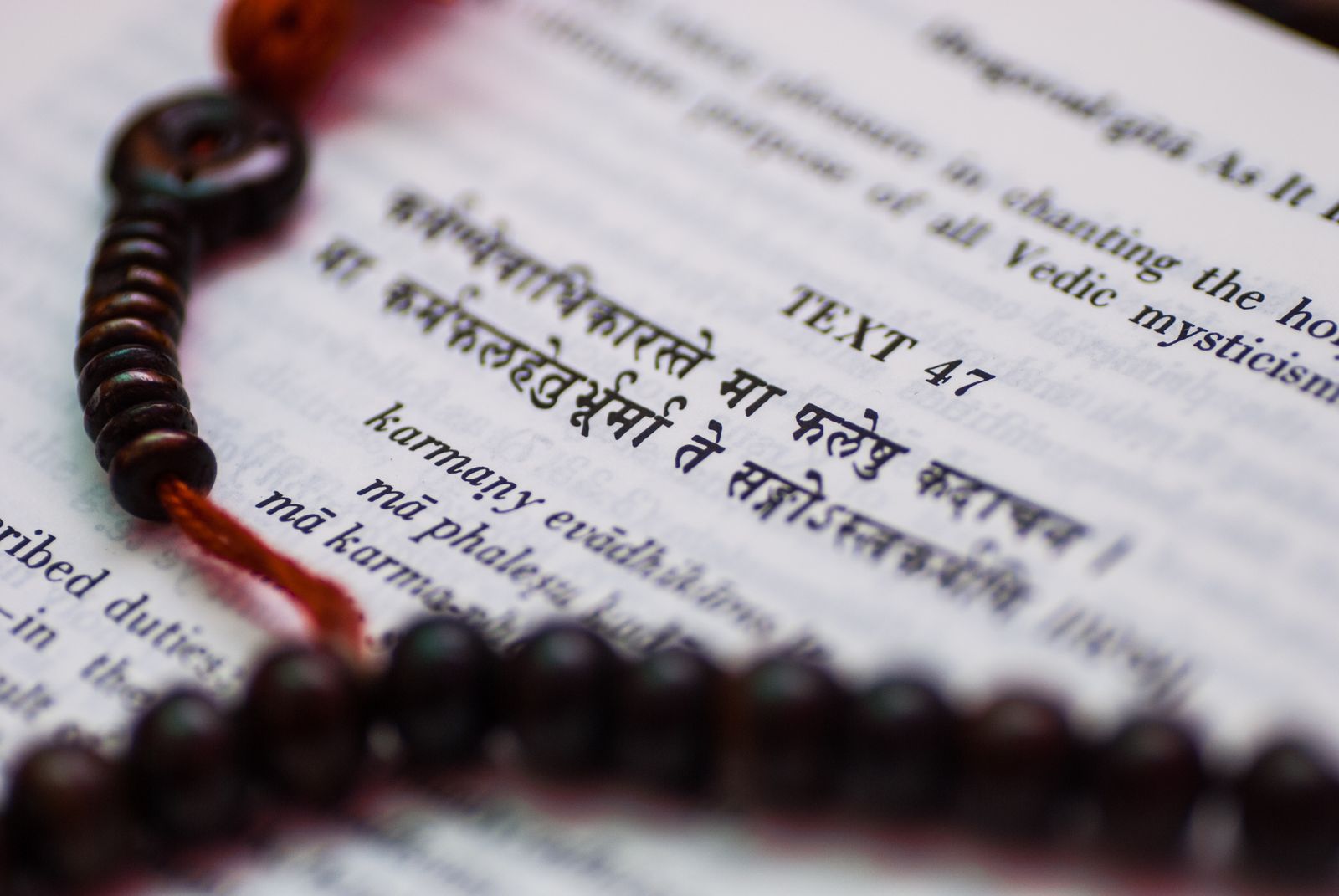
Using Sanskrit pays homage to yoga's past and connects us to the teachings from which our modern yoga derives. Although I could choose to strip yoga of all Sanskrit and transmit a perfectly decent class without it, saying it (and doing my best to pronounce it correctly) is a small gesture of respect and gratitude to those who developed and evolved yoga, however far removed we may sometimes feel from those origins, lands and intentions.
Good Vibrations
As a student and teacher, I find Sanskrit not only exquisite in the way it resonates in the ear and vibrates on the tongue, but through the words; I imagine I am receiving a power and collective energy of lineage, propelling the messages of ancient times somehow into present posture. I become, in those moments, linked forever to the past, people and places. I am connected to every person who has shared in reading, hearing, speaking, contemplating or practising some form of yoga's clear wisdom and become part of something bigger than me.
It connects us still to everyone practising today. Even as yoga continues to evolve and diversify into its many forms (so much so that schools and styles of yoga can appear to be very much at odds with one another), Sanskrit is one of the things that bind us together with history, and in our common endeavours for growth and understanding.
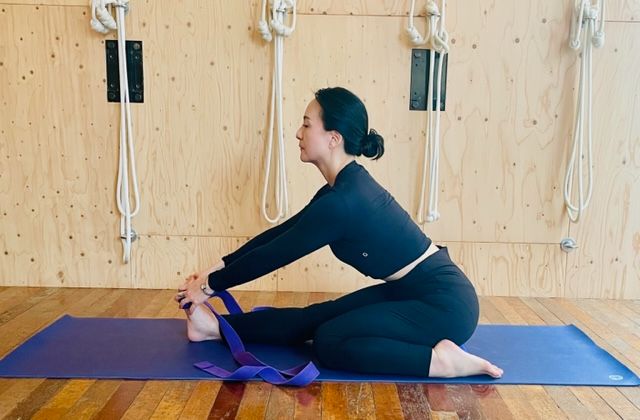
Triang Mukhaikapada Paschimottanasana. Quite a mouthful!
Shall we try it tomorrow? Why not? 😝
Let's practise.
Chang Park | MAR 17, 2023
Share this blog post
 OfferingTree