Take a Deep Breath
Chang Park | MAR 3, 2023
Take a Deep Breath
Chang Park | MAR 3, 2023
Longest Breath
Last week, I enjoyed the highly competitive event that was the work quiz night. One of the questions was, "how long is the longest underwater breath hold ever recorded?" Rather optimistically (always hopeful of human potential, as I am), I guessed the answer at 35 minutes. Caroline, our medical secretary extraordinaire by day and quizmaster by night, reliably informed us that the answer, to everyone's astonishment, is 24 minutes, 37 seconds.
Isn't that just incredible? When an average person stops breathing, they have around 3 minutes before things go wrong. But, the human body's capability knows no limits - when trained.

Now, I'm not saying we should all train ourselves to hold our breath for crazy periods of time; why would we want to necessarily? But manipulating and voluntary control of breathing, known in yoga as Pranayama, is a fascinating practice. The Hatha Yogis knew years ago that the breath was intricately related to the mind, the energetic and subtle body.
In more modern and less esoteric contexts, you might have encountered practices like breath counting, box breathing, or coherent breathing - now recognised ways (not always labelled or identified as yoga) of manipulating the breath to affect the nervous system, relax and calm our state of mind.
Pranayama
'Prana' means breath, air or life (or you might have heard the term ‘life-force energy’) - a few words to include in its complex translation. As is understood in the yoga tradition, Prana is a difficult word to fathom, a few more words here to try to explain: “Prana is the energy permeating the universe at all levels. It is physical, mental, intellectual, sexual, spiritual and cosmic energy. All physical energies such as heat, light… the hidden potential energy in all beings…the energy which creates, protects and destroys.” BKS Iyengar, Light on Pranayama. The breath is considered only one manifestation of Prana in the human body. ‘Ayama’ means to stretch, extend, prolong, expand or control. And Pranayama, therefore, is the manipulation of breath and also, of life force in all its forms.
In my understanding, observation of the breath is where all Pranayama starts. For the duration of my yoga practice, I’ve mainly dabbled in baby-level Pranayama. More complex manipulations of the breath can be strenuous and require a lot of focus. In some schools of yoga, there is a suggestion that Pranayama is only to be attempted once the body is sufficiently primed in posture, suppleness, strength and endurance to withstand the very effortful work of breath manipulation, which can involve extending the breath significantly, interrupting and holding the breath, as well as introducing physical and energetic Bandhas (or ‘locks’) into the practice.
Learning How to Breathe
Never mind jumping straight to complicated Pranayama. It never ceases to amaze me when examining patients just how many seem unable to take one deep full breath. As I place my stethoscope down near the kidney ribs where the lower tips of the lungs reside, I say, “Now, take a deep breath”, and it’s as if the breath is caught high up in the chest, struggling to find its way down. I ask, “Relax the belly and breathe all the way down”. Still, the breath travels no further, stuck. I think silently to myself - some re-education might be helpful here (or brand new education, for that matter) in how to breathe.
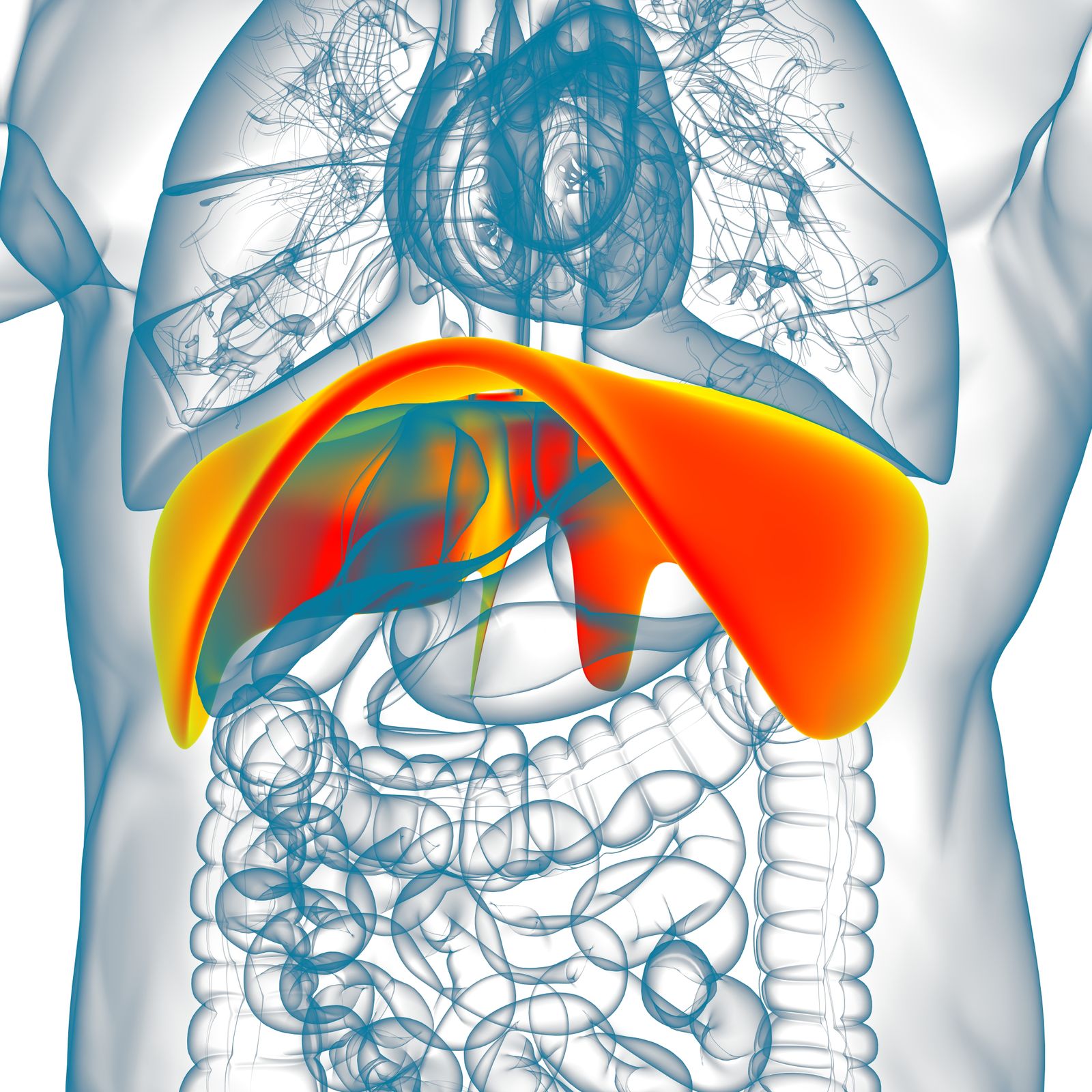
Dysfunctional breathing is a problem, and respiratory physiotherapists do the kind of work to re-educate those with distressed, shallow, hyperventilation-type breathing patterns often seen in the clinic. To be clear, this isn’t pathology; it’s habitual patterning. It is well recognised that when we subjectively feel we can’t breathe, we feel trapped, panicked, and anxious, and this starts to manifest in all sorts of other symptoms.
Being able to breathe well should be a birthright, free and easy. So when did life teach the breath to get so stuck? Unpacking and unravelling easy breathing is what I often need to work on for myself after daily stress permeates the body and builds tension. Tension, pain, tiredness, illness and posture are just a few things that can restrict the breath.
How’s Your Breath?
As we practice postures, open the body and release physical tensions through Asana, yoga invites us to include the breath every time we practice. We give ourselves an opportunity each time we come to the mat to bring awareness to our breathing for even short periods. Yes, at times when there is great focus and effort in postures, the breath gets forgotten, but even that is a noticing. We notice if the breath is strained, laboured, shallow, and whether and where we’re holding. Whether the breath is flowing better or worse today versus yesterday. We notice the cadence and flow of the breath when we clear the inner space at the beginning of practice and at the end when we sit and breathe together to complete our practice.
Know that when you observe your breath, you are in the beginning steps of Pranayama; when you practice your Ocean or Ujayi breath, you are controlling the flow and slowing the breath down; when you pause at the end of exhalation, you are downregulating your nervous system.
So what outcomes of a free, easy, open breath? What is the impact of full, slow, deep and spacious breathing? Let’s find out.
Let’s practise.
Chang Park | MAR 3, 2023
Share this blog post
 OfferingTree