Only Connect
Chang Park | MAR 10, 2023
Only Connect
Chang Park | MAR 10, 2023
A Different Kind of Prescription
It’s Social Prescribing Day this week - 9th March. You might well be familiar with a doctor’s drug prescription. But when we don’t feel so well, another kind of prescription may be in order - a social prescription.
Some stats…
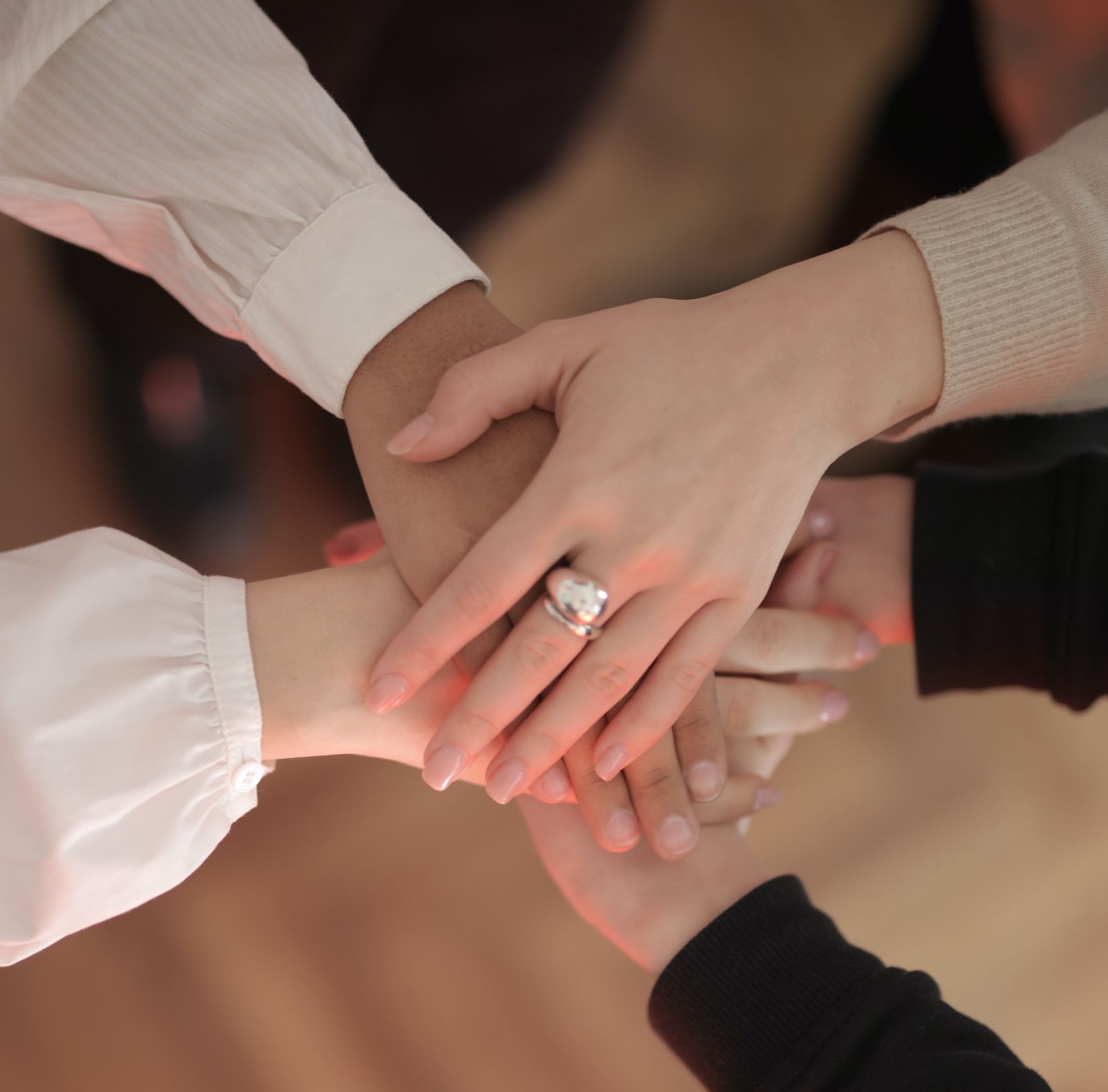
For someone like me who is preoccupied with the wider drivers and determinants of illness and what supports our best health, it’s clear we cannot over-emphasise the need for social connectedness. To quote Sir Sam Everington, GP hero of our time and one of the pioneers of social prescribing, says, “clinicians... should acknowledge that they are probably only responsible for 15 - 20% of healthcare, with ‘social determinants of health’ often more important than medical factors.”
With the recent advent of social prescribing, there is increasing recognition of the importance of tackling this unmet need in healthcare. Social prescribing link workers give practical advice for critical social issues like housing, debt, and employment, but they also help people embrace life by connecting with themselves and others. For example, in finding nature, physical activity, creative expression, and the joy of giving back. Bringing people back into the fold of their communities and engaging in inter-connectedness and belonging.
The Most Important Marker
The Harvard Study of Adult Development is the longest scientific study of happiness, spanning 75 years, following over 700 men and continues. Robert Waldinger, the director of the study, explains that social ‘fitness’, the extent of connectedness with meaningful relationships, was shown to be the primary predictor of happiness, good health and life expectancy.
It was satisfying relationships, more than money, fame, intelligence or social class, that kept people well for the longest time. This is also borne out in observations of the Blue Zones, areas of the world where people live the longest and healthiest, where they are well known for their highly close-knit communities.
Deep and meaningful connections are good for us, no doubt. But the small interactions of everyday life are also considered highly beneficial to our well-being—the nod to a neighbour, the smile and joke with the barista. The small talk - however much we think we hate it, is apparently good for us!
Come Early, Stay Late
So how do we foster connections, great and small, in our lives; engage ourselves where the inner and outer worlds meet happily? Not surprisingly, yoga is just one of the activities that social prescribers nudge people to, where it’s available. There is an in-built togetherness, and shared experience, whenever we practice anything in a safe and supported group. In yoga, a community of practitioners coming together is often referred to as Sangha.
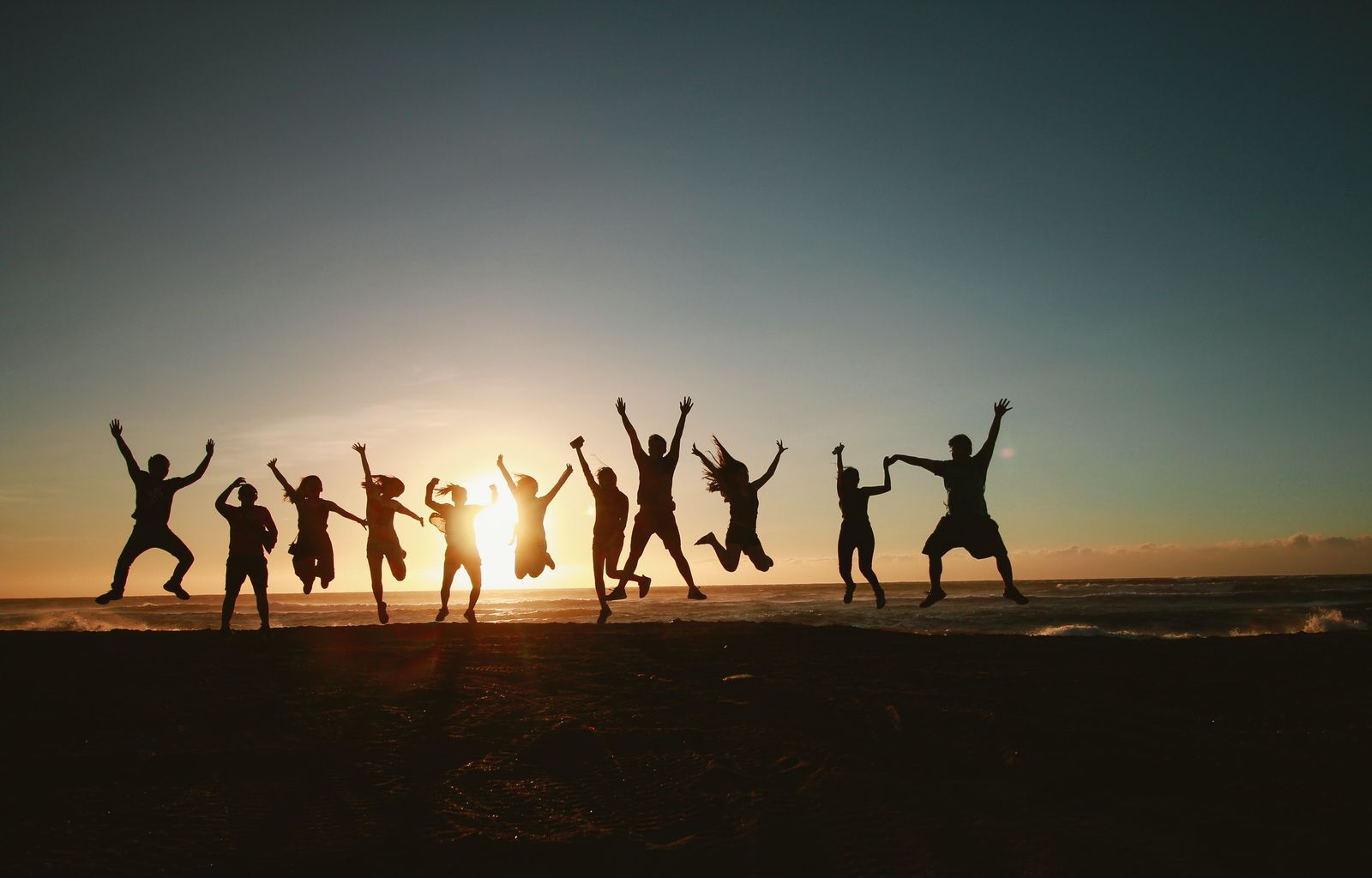
Practising and sharing yoga has personally delivered so many new friendships to my life. It’s shown me that connections grow effortlessly when you lean into what you love and enjoy with curiosity and openness.
A friend of mine is always asking me to come over. When extending her invitation, she says each time, “why don’t you come early and stay late.” I’d like to borrow that and extend that sentiment to our yoga classes.
So whenever you wish, feel free to come early and stay late - we are here to connect, after all.
Let’s practise.
Chang Park | MAR 10, 2023
Share this blog post
 OfferingTree