Magic Muscle
Chang Park | MAR 24, 2023
Magic Muscle
Chang Park | MAR 24, 2023
Yoga for Strength
If you ask people what they think yoga is good for, often the answer is "it improves flexibility." Yes, yoga is fantastic for increasing suppleness and relieving stiffness, but did you know that yoga is brilliant for building strength? In my opinion, this is where most of our bodies get the biggest bang for our buck from physical practice.
The current UK adult guidelines for physical activity recommend 150 minutes of moderate-intensity aerobic exercise a week (lots of us already know this bit), plus strength training at least twice weekly. And I'm happy to report that yoga counts!
Nice article: https://www.bbc.co.uk/news/health-63048474
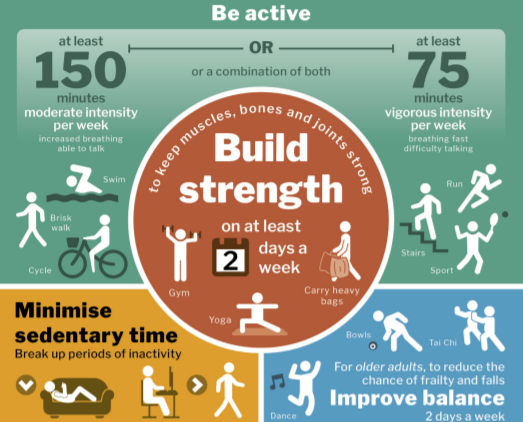
As we age, we all gradually start to lose muscle; both mass and strength decrease. Sarcopenia (the medical term for loss of muscle mass) is associated with frailty, increased falls, weight gain and cognitive decline. Low muscle mass in body composition has even been recognised in studies as an independent risk factor for the increased likelihood of COVID infection severity (more important than fat composition or BMI, as first thought).
Flexible or Strong
When I'm teaching, I often observe that more strength is needed in many bodies, including mine. Even as people continue to lament that they aren't flexible enough (as if that's the main issue with their practice - it isn't!) I see no particular advantage to bendiness without strength. If you can fold your body in half, it might be a neat party trick and look impressive in a picture, but without strength, flexibility alone can be a liability, placing excess or awkward stress on joints.
Working with strength in mind serves our joints' health and bone density. There is an oft-spoken story of yoga teachers commonly having hip replacements early. Well, I don't know if that's true, but I suppose it's told as a warning, for us not to overly idolise flexibility over strength, especially if you mean to practise yoga for a lifetime. Flexibility comes naturally with time, practice, and repetition; safely and slowly, it comes as a result of coordinating our muscles and using strength intelligently.
Do I need to Pump Iron?
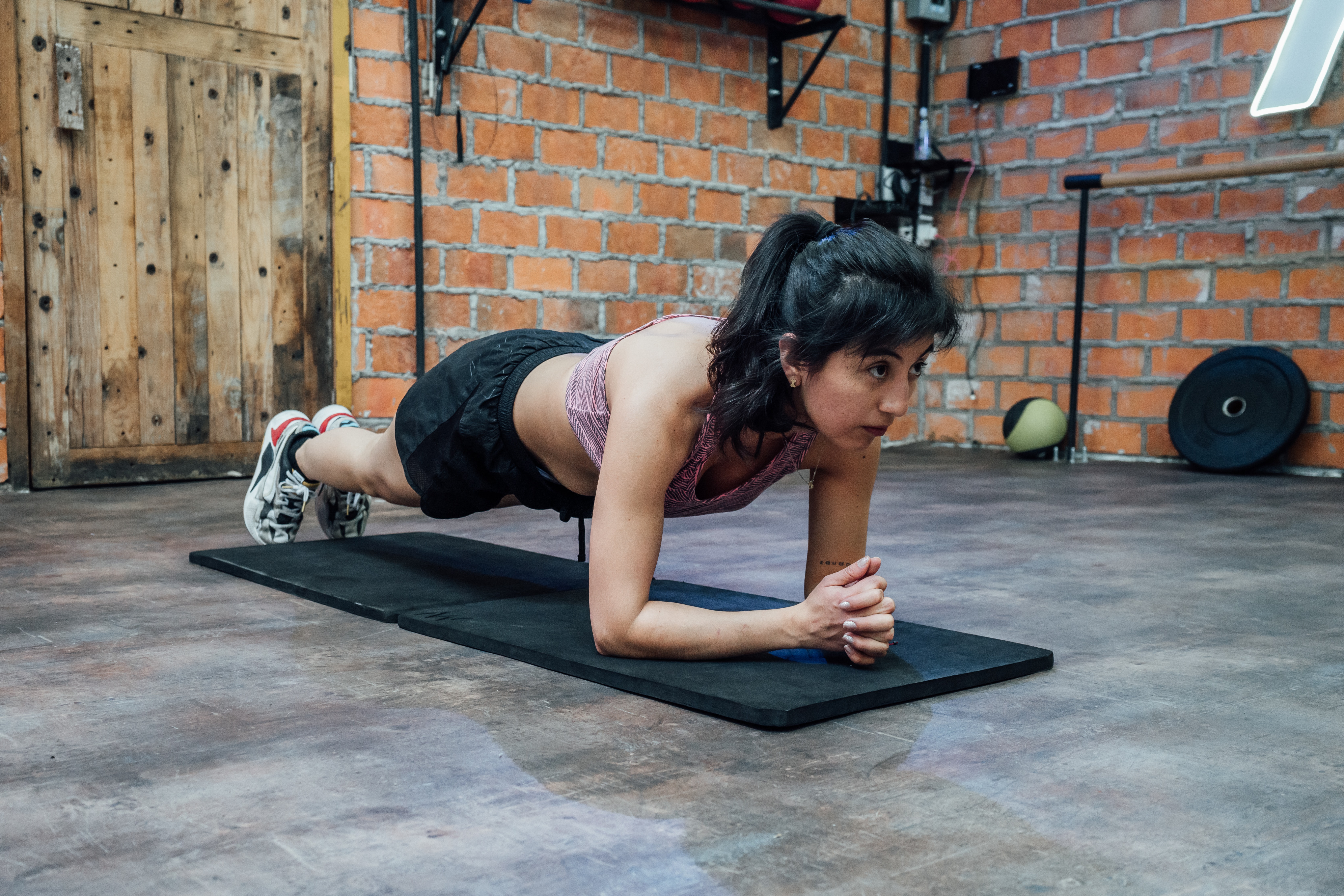
In yoga, we typically only use our bodies themselves and gravity, both free and ever-present. The feedback of a wall, floor or the occasional prop (and focused imagination) is all we need to facilitate the amazing progress you experience through dedicated training - getting strong.
This kind of low-risk resistance work and long isometric holds that physical yoga is so well known for means we can become strong all on our own. No gym equipment or pumping of iron is necessarily needed. It makes yoga particularly good for those starting out in strength training, who have had injuries or need to gain better control or form before using additional weights.
Regular, rounded practice works the big external muscle groups - buttocks, legs, arms - but also conditions the deep core and spinal muscles we can't easily see or feel but tend to be weak as we lead relatively sedentary lives. And let's not forget the most important muscle we aren't always conscious of - the largest and single most significant muscle we own - the respiratory diaphragm. When you breathe better, you move better, perform better (physically and mentally) and feel better - period.
Magic Metabolic Muscle
Want even more reasons to love our muscles? As if we needed more science to understand their magic, we are learning new facts all the time - they aren't simply clever structural tissues engineered to keep bones and joints together.
We know that muscle is a secretory organ, the functions of which feed intricately into vital metabolic processes. When we move, muscles release a whole bunch of chemicals which serve multiple purposes - for example, they decrease systemic inflammation, affect neurotrophins such as BDNF which support brain health, and act as a glucose sink for healthy sugar metabolism, to name a few. Dr Tommy Wood, an academic neuroscientist, explains that physical activity is the only thing found to target and alter all the known processes related to ageing (if you're interested, stuff like telomere genomic instability, epigenetics and mitochondrial health). Muscle mass and strength appear to be directly related to our longevity and survival.
Use It or Lose It
Unfortunately, we lose our precious muscles if we don't use them. Physical activity - and keeping our muscles maintained and strong - is essential (as in, not optional) for our health. I'll be banging on about this until the cows (cat/cows 🙂) come home.
Let's get those muscles working; use the magic of muscles to protect our bones, joints, brain, repair systems, disease risk, longevity and more.
And if not for health, then just for the simple feeling of getting strong. There's no feeling quite like it. Let's practise.
Chang Park | MAR 24, 2023
Share this blog post
 OfferingTree