Just Stress
Chang Park | APR 20, 2023
Just Stress
Chang Park | APR 20, 2023
It's Stress Awareness Month which made me think I should do a newsletter about stress. Yoga's great for stress; stress is the number one reason people practise yoga (it is!), yada yada yada. I did think to myself - do people want to hear about stress and how terrible it is for us again? Don't we already know all this? I had planned to talk about other lovely things instead - spring, nature, lambs and the like. But no. Stress it is this week. The lambs will have to wait. Because stress really is that important.

The Stats
A 2018 study conducted by YouGov and commissioned by the Mental Health Foundation found that of 4169 UK adults polled over the year, 74% of people have at some point felt so stressed that they felt overwhelmed or unable to cope.
To give you a snapshot of the stress situation in my own profession (and geez, this was before Covid), a 2016 survey conducted by MIND in primary care (including GPs) revealed that almost nine in ten (88%) primary care workers find their work life stressful with two in five (43%) saying that workplace stress has led them to resign or considering resigning. One in five (21%) say it has led them to develop a mental health problem, and almost one in ten (8%) say that workplace stress has led to suicidal thoughts. One in six (17%) also said that stress led them to take medication for a mental health problem.
"Just Stress"
Stress - the new normal. Stress the ubiquitous. Who doesn't have stress in their lives, whether from jobs or other challenges in life? Normalised for us all, have you ever heard yourself say, "Oh, it's just stress; I'm a bit stressed but no more than usual."
Just stress, is it? Well, estimates say 65-90% of GP consultations are in some way related to stress. I can certainly testify to this as a jobbing GP on the ground. So why does this invisible force have such a profound impact on us, and should we dismiss it as a natural part of life to be accepted and ignored?
Yes, stress can also be good for us. Last week, I spoke about discomfort and how challenges can help us thrive and feel fulfilled. But excess stress is a serious problem. To comprehend it, it's helpful to understand some of the processes at hand.
The Stress Response
What happens to us when the stress response is activated repeatedly in the background of our pressured lives? Under threat (or perceived threat), the body interprets this as a situation where is under attack. Otherwise known as the 'flight or fright' response, it engages incredible survival mechanisms to protect us from harm. Sugar metabolism changes, blood pressure rises, and blood flow diverts. The body asks for secondary functions to step down from service - the digestive and reproductive systems, for example. I often explain to patients that when the belly is bloated or the periods go haywire, the body might be telling you, "Having sex or good digestion isn't your priority right now - what I'll focus on is survival."
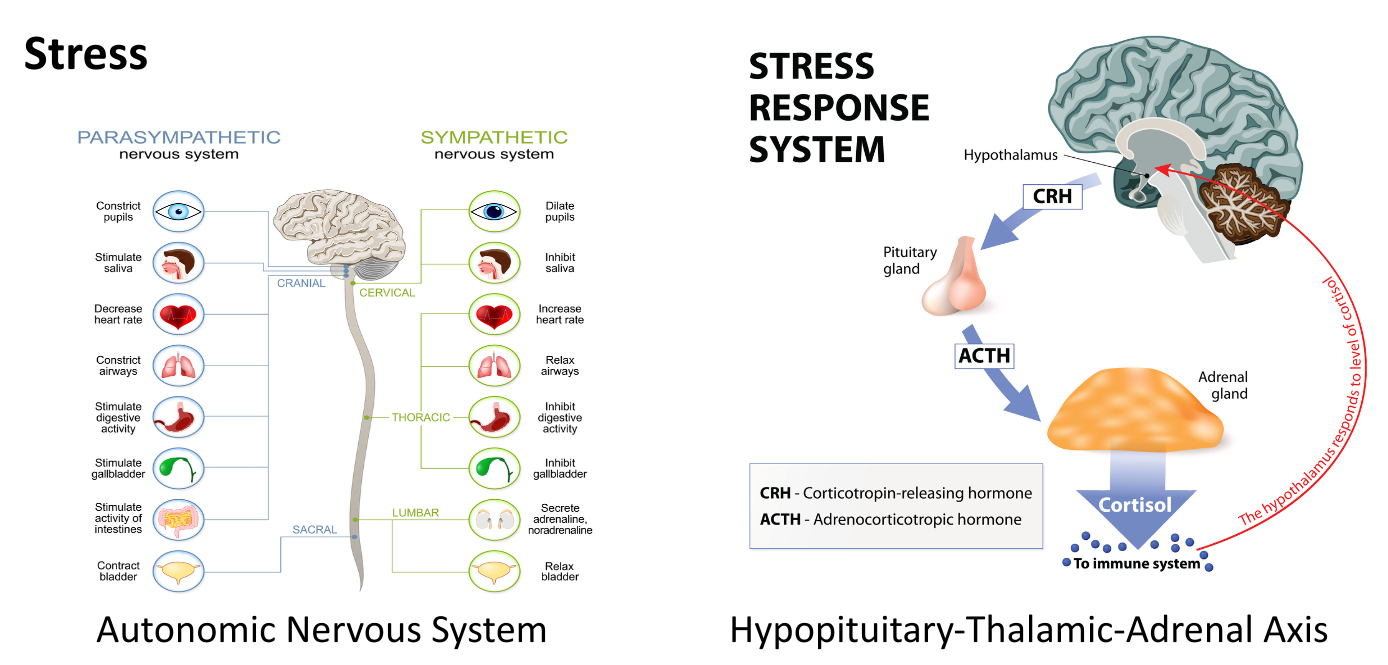
If you are in chronic survival mode, not only can this manifest in unpleasant symptoms (almost any, I find), but unchecked contributes to the development of mental health conditions, obesity, cardiovascular disease, diabetes, recurrent infections - the list goes on. In addition, exacerbations of chronic conditions like migraine, asthma and autoimmune disorders are common. No wonder the World Health Organisation has labelled stress as the health epidemic of the 21st Century.
No single body system can escape the impact of stress - from pain perception to the sleep cycle to the immune system. From the gut to the skin, from the head to the heart and everything in between.
Your Signs
I recognise a few of my common stress signs when they arise - returning back and neck pain, aching jaws after unknowingly clenching; I might get a cold sore. I feel tired, overconsume phone and media mindlessly and reach for a drink and fast food that bit faster after a hard day's work. I get snappy and fierce (and not in a good way). I see these now as small expressions of the body asking for help.
Anything we can hope to have a modicum of control over starts with awareness. Hence, Stress Awareness Month! So what are your signs? Are you ready to listen and attend to yours?
Stress Hacks
I'm afraid there is no pill for stress. But there are ways to modulate our stress response, stress systems which we once assumed were involuntary and out of our control.
Yoga encompasses movement, breathing, active relaxation, mindfulness and meditation - all of which significantly affect our physiological stress systems in the short and long term. Yoga is a gem when it comes to stress, where it comes into its own in the modern world, and where a wealth of evidence of its impact already exists. Yoga helps us build an internal system that is more present and resilient to stress, learning to recognise its usefulness and expression when taken in excess. It gives us a toolkit to hack our physiology and change our relationship, body and mind, with stress.
Of course, we must tend to all the pillars of lifestyle that are all essentially powerful medicines for stress - a healthy diet, enough exercise, quality sleep and connection, simple daily routines, avoiding exposure to negative media, and more. But, in true interconnection, yoga feeds back into our lifestyle pillars better too. When stress is managed better from within, all the pillars improve.
Talking of Stress
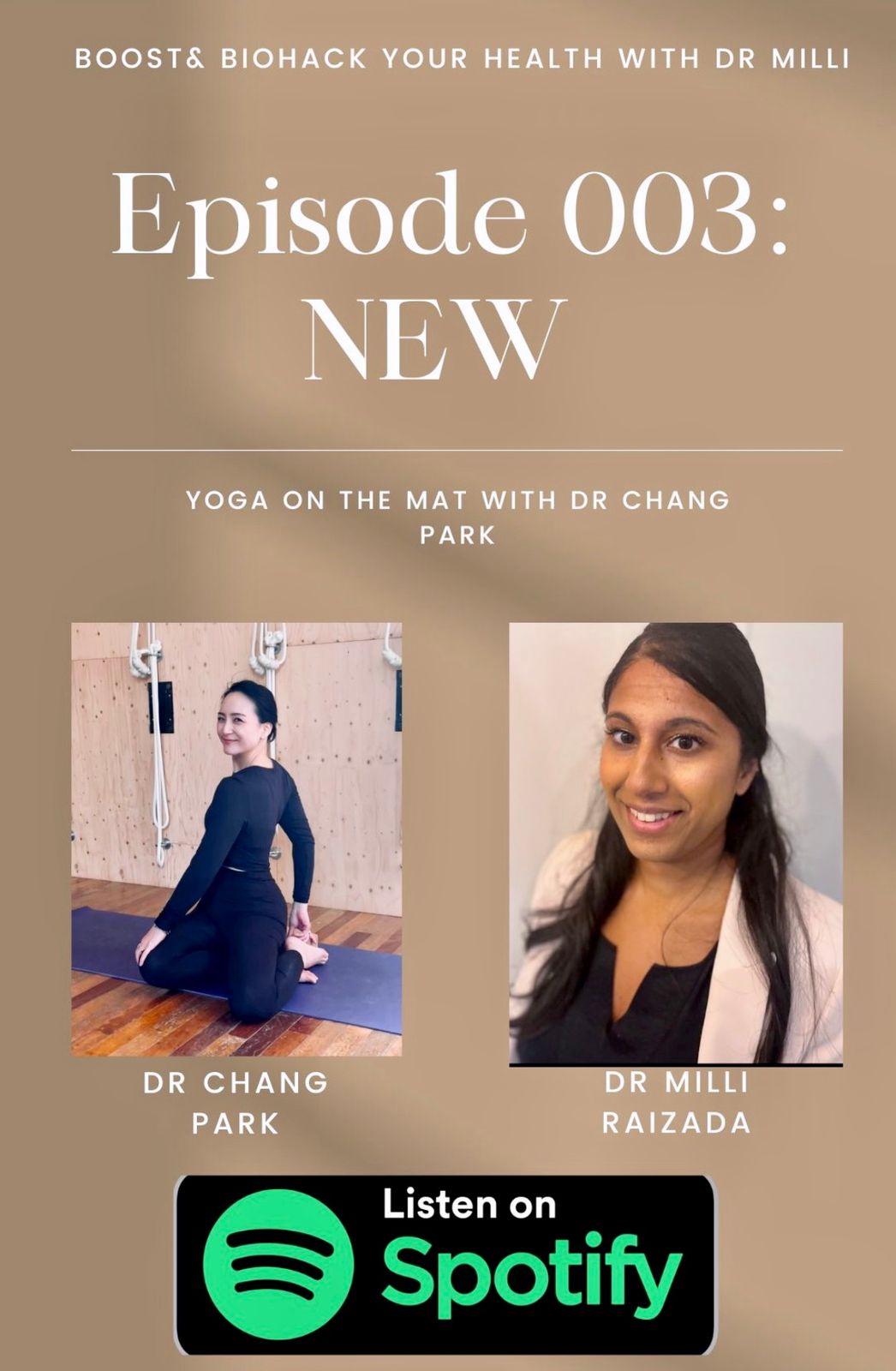
I talk about this and more in a new podcast which came out this week. Gorgeous soul, lifestyle medicine physician, GP and health educator Dr Milli Raizada is hosting. Do have a listen, rate, review etc. etc.!
Apple podcasts - yoga on the mat
For more yoga... Let's practise.
Chang Park | APR 20, 2023
Share this blog post
 OfferingTree