Fly, Grasshopper!
Chang Park | OCT 19, 2023
Fly, Grasshopper!
Chang Park | OCT 19, 2023
Today, let’s take a moment to appreciate a fantastic but often underrated yoga posture:
Śalabhāsana, also known as the Locust or Grasshopper.
Locust pose is a total workhorse, working quietly out of the limelight. Unassuming and entirely inoffensive, it isn’t particularly sexy and maybe even a little tiresome to practise (shhh, pretend I didn’t say that!). Śalabhāsana might be peppered in here and there, used as a preparatory pose for more impressive poses and back arches to come, like Dhanurāsana (Bow) or Uṣṭrāsana (Camel). In a classic Sun Salutation, we might overlook the Locust in favour of its flashier relative, Urdhva mukha śvānāsana (Upwards-facing-dog).

In Praise of the Unsexy
Śalabhāsana isn’t a one-and-done posture. It’s not necessarily designed to be performed, held and revel for ages in self-adoration. There aren’t the same “ahhhhhh” moments of chest opening that you might enjoy when you recoil from a deep Bow or Camel; no “whoopee” of exhilaration as you rise into a Wheel/Upward Bow. No - Locust, in contrast, is an unpretentious creature who enjoys little glory.
In a way, this pose’s steadiness and total unsexiness make it a reliable member of our yoga repository. Prone “baby” back arches are more complex than they appear and crucial to laying the foundations for further back arches.
Whilst they might not always look spectacular, lifting off the ground (any amount) requires thoughtful and evenly distributed effort against the weight of gravity on our broad backs.
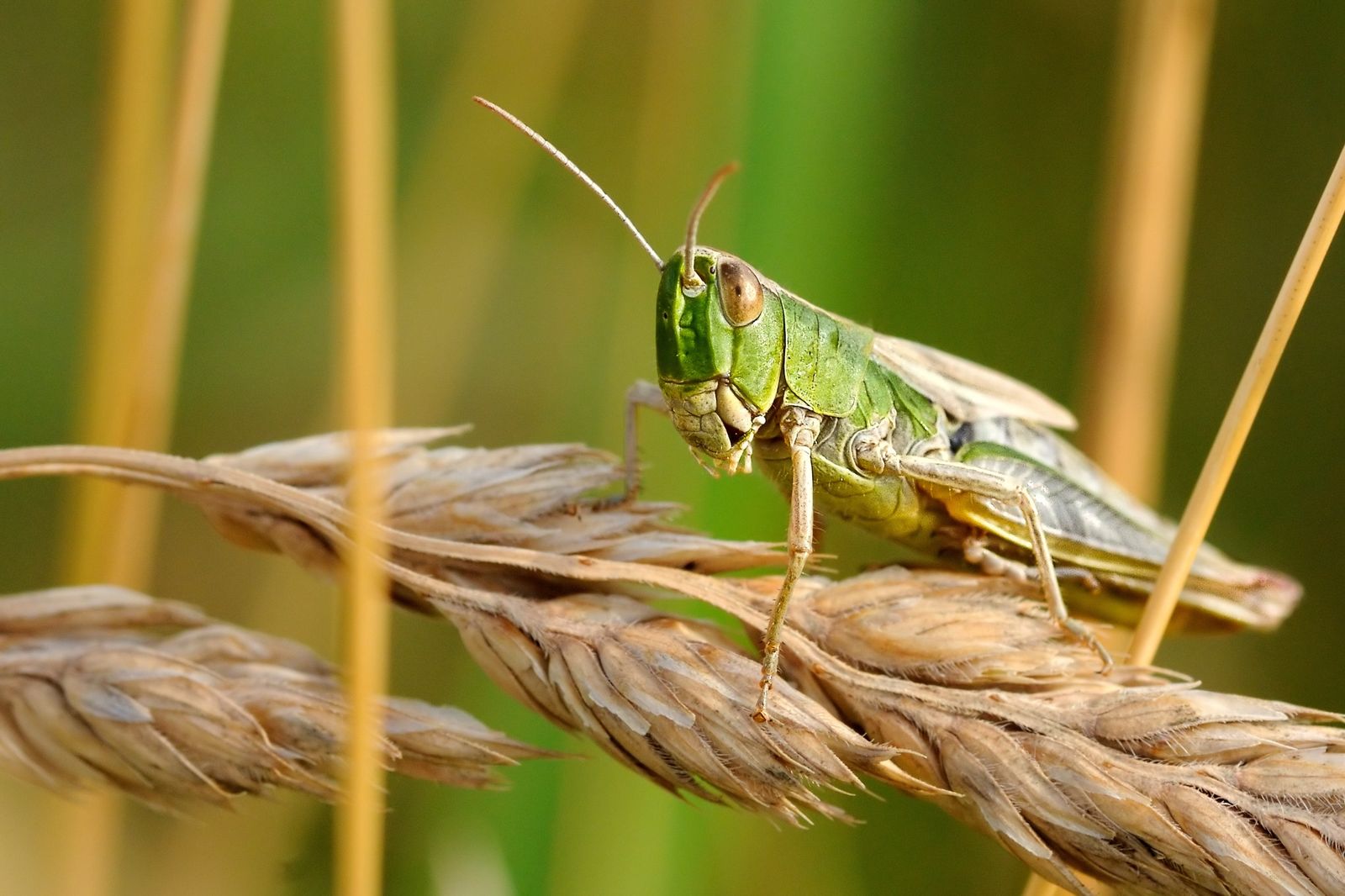
Locus(t) of Control
This pose is typified by slow, controlled movement repeated many times. Although sometimes demanding and tedious, this donkey work confers many benefits. Here are a few:
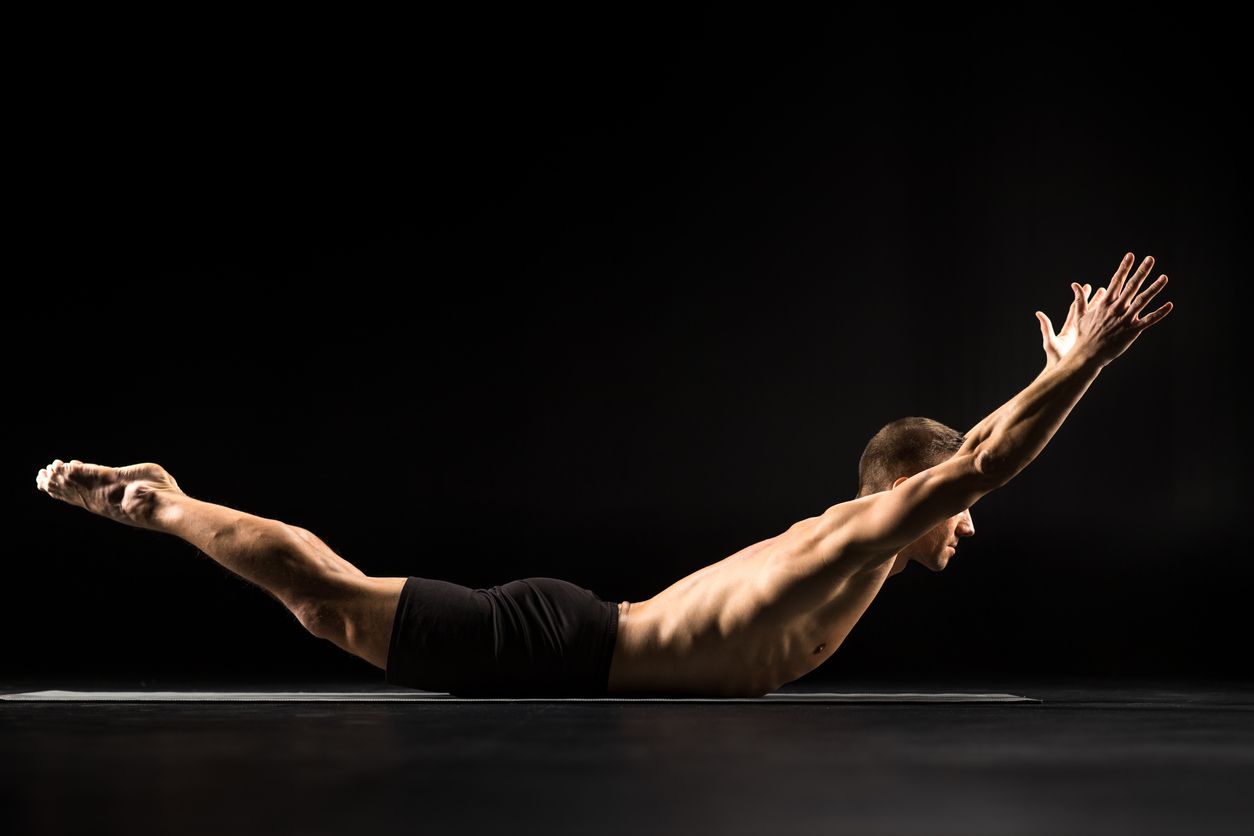
Patience, Young Grasshopper
If you thought Śalabhāsana was just momentarily lifting your arms and legs and feeling a bit breathless in the process, think again. Instead of using gritted teeth to reach, we are propelled to understand the necessities of flight - preparation, safety, and control.
Once we complete the necessary checks and balances, the flight can begin with grace and ease. This pose is not just about building strength and coordination but also about developing patience and humility. It is one of the few poses where the ego cannot override the importance of foundations.
So, from one grasshopper to another, I ask for patience and let’s always take time to master the pose.
Let’s practise.
Chang Park | OCT 19, 2023
Share this blog post
 OfferingTree