Field, Farmer, Mountain, River
Chang Park | OCT 12, 2023
Field, Farmer, Mountain, River
Chang Park | OCT 12, 2023

Today, I’d love to share this story of a Chinese farmer from a talk given by Robert Waldinger, psychotherapist, guardian of the Harvard longevity study and Zen practitioner.
Maybe, Maybe Not
A farmer and his son had a beloved horse that helped the family make a living. One day, the horse ran away, and the neighbours came to commiserate, saying, “Your horse ran away; what terrible luck.”
The farmer replied, “Maybe, Maybe not.”
A few days later, the horse came home, bringing with her a few wild mares. The neighbours celebrated, “Your horse is back! And she’s brought several horses home. What great luck.”
The farmer replied, “Maybe, Maybe not.”
Later, the farmer’s son tried to tame one of the mares, and the horse knocked him to the ground, breaking his leg. The villages shouted, “Your son broke his leg; how unlucky.”
The farmer replied, “Maybe, Maybe not.”
A few weeks later, soldiers from the Emperor’s army marched through the village, recruiting all the able-bodied young men for the army. They didn’t take the peasant’s son, who was still recovering from his injury. The neighbours rejoiced, “Your son has been saved; what great luck.”
And, of course, the farmer replied, “Maybe, Maybe not.”
Through the blustering of neighbours around this even-mannered farmer, this story encourages us to reflect on two things: the nature of reality, which is always impermanent, and the nature of our minds.
We are quick to judge, label things as good and bad, and seem to be so sure about ourselves when we make said judgments.
Evenness Is Yoga
Evenness is considered an important virtue of yoga that is to be nurtured through practice and sometimes offered as one of the definitions of yoga itself (of which there are many). This quality of mental stability, which personifies equanimity, is called Upekṣā in Sanskrit. It is also spoken of in various ways in the wisdom traditions of many other philosophical schools and religions.
The farmer exemplifies this kind of composure. It’s not that he doesn’t care about his son or his livelihood; of course, he does. But he seems able not to fall prey to the consequences of the judging mind. He refuses to be a slave to emotion and, therefore, has remarkable immunity to excess suffering and employs a wisdom which surrenders to the not-knowingness and uncertainty of circumstance.
Mat to Mountain
If I were to imagine a symbol of equanimity, it would be a spectacular mountain. The mountain has seen many seasons, days warmed by the sun and battered by storms. It’s housed the births and deaths of all wildlife on its changing landscape. It may even have been shaken by seismic events like an earthquake or landslide, its architecture etched with valleys, ravines and marks of history. Despite this, the mountain carries a tender but dynamic kind of strength, sympathetic to its adjusting environment, and bears witness to it all quietly.
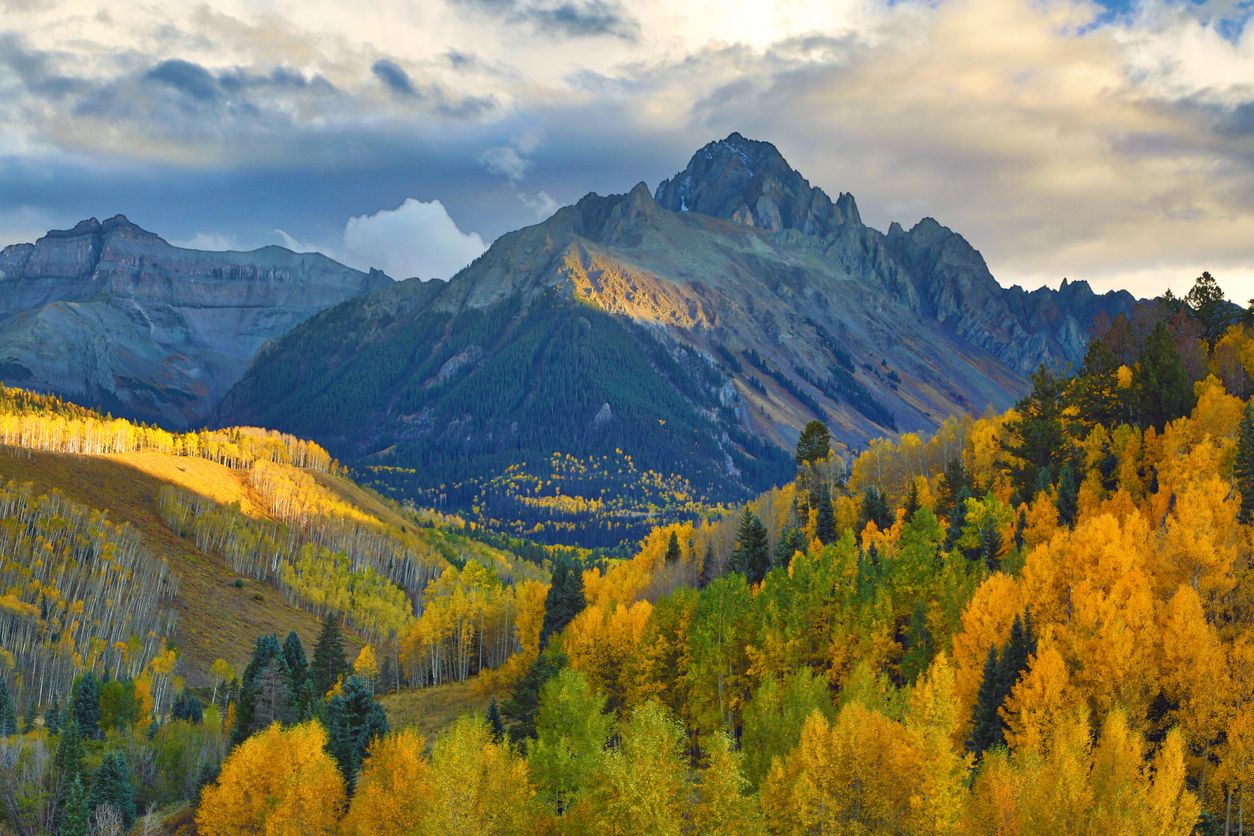
How can we use yoga to emulate the steady mountain or serene farmer?
Practice teaches much about cultivating this equanimity that can elevate peace in our lives even as we strive and place our best efforts. Both challenges and joys of practice provide many opportunities to practice Vairāgya, non-attachment.
To practise Vairāgya through Asana, we can:
Present-moment awareness underpins them all.
River Deep, Mountain High
Regarding the relationship to our yoga practice, striving and enjoyment might always be part and parcel. It’s natural to feel proud when we make progress and take pleasure when our bodies feel open and free after movement. And it's only human to feel annoyed if we lose our balance or are upset when an old injury reappears. We’re all driven by desire and aversion; it’s what keeps us engaged with life.
However, when we practise equanimity, we learn to recognise better the ups and downs of our emotions as part of the human experience.
I think again of the mountain. Cutting through it runs a beautiful fast-flowing rapid, which draws all our attention. The river - a frequently used metaphor for the moving, irresistible nature of our minds. The river allures us to jump on a raft and go for an exciting ride. And so we do, being bumped from one side of the riverbed to another, exhilarated in one moment and fearing for our lives in the next.
Suddenly, we realise we can climb off the raft onto the riverbank and watch for a while. We see and feel the river still, but now gradually, we hear the birds, the trees, and other beauties of the mountain reveal themselves around us.
As we stand there, we know the river runs deep - we might fall in again or even choose to jump back in, but the mountain overlooking it all stands tall and steady. When we stand and pay attention in those moments, we can understand that we are, at once and always, the mountain, rooted in our strength and stability.
Let’s practise.
Chang Park | OCT 12, 2023
Share this blog post
 OfferingTree