Fasting, Feasting and Food
Chang Park | MAR 29, 2024
Fasting, Feasting and Food
Chang Park | MAR 29, 2024
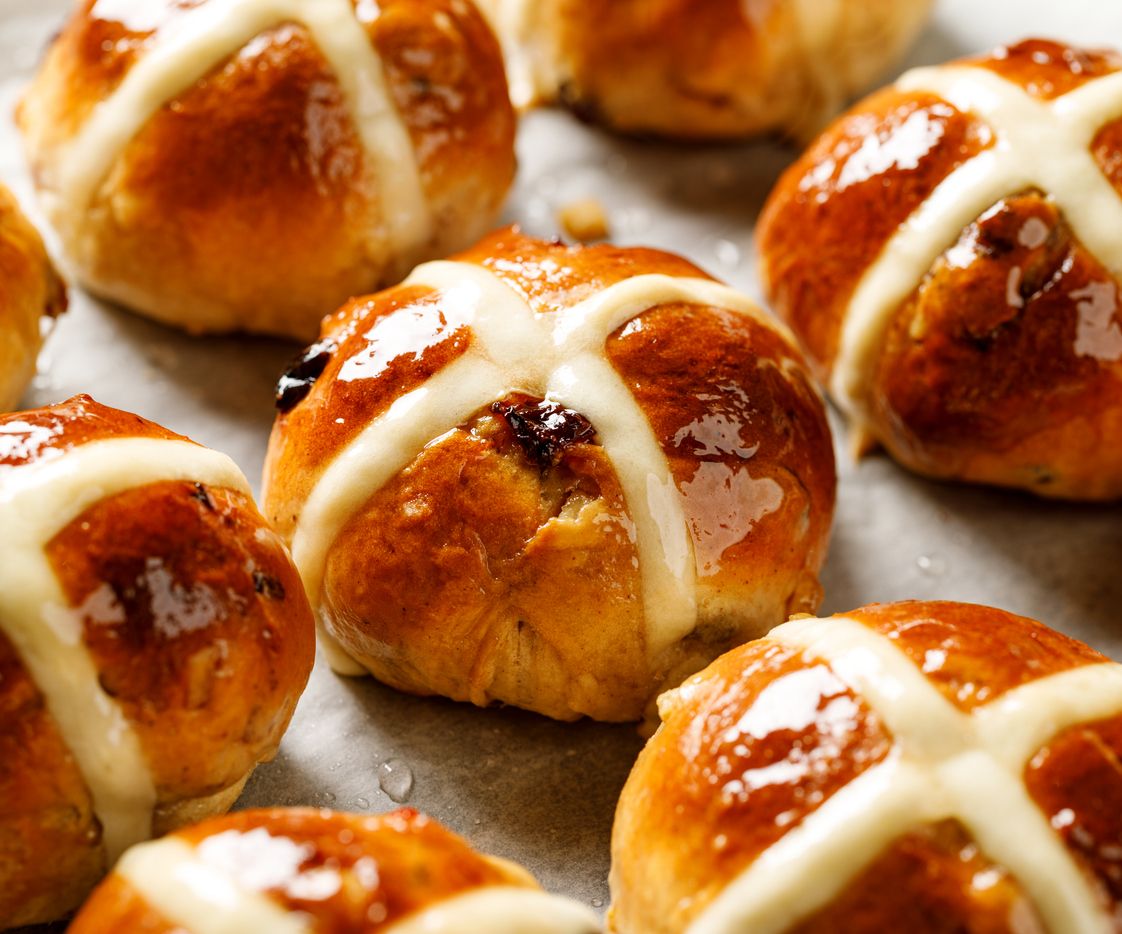
Time for a Hot Cross Bun
Holidays always make me think of food. Oh, how I do like a Hot Cross Bun. Well, happiness, then it’s Good Friday! Did you know that traditionally, you're not supposed to eat Hot Cross Buns until today?
In the Christian tradition, Easter marks the end of Lent, a period of abstinence from one's chosen vice—chocolate, caffeine, alcohol, social media, whatever. This year, Easter weekend punctuates the month-long Ramadan, the annual collective fast observed by Muslims. Our very own Prime Minister (himself a practising Hindu) recently shared that he fasts for 36 hours at the start of the week.
The practice of fasting or controlled abstinence seems very popular now, and many people are discovering or rediscovering it. Outside of a religious context and fueled by celebrity, media, and health spaces, there’s been huge interest in the science of fasting and its potential benefits, particularly for weight loss and longevity.
I’m getting asked about it more and more: Doc, should I fast? Is it good for me? Do you fast yourself? How does it work?
Fasting: Fad or Fabulous?
There’s now enough evidence to firmly include fasting in the toolkit for weight management, but it may not be suitable for everyone. Many patients have reported success with fasting after years of yo-yo dieting, I believe largely because it’s one of the most sustainable and incremental ways to change eating habits in the long term. The most popular method is intermittent fasting or time-restricted feeding, which involves deliberately choosing to eat within a smaller time window.
There is an argument that fasting is just another way of reducing your daily calorie intake. While valid, there is more exciting science to discover about the fasted state, particularly in longer fasts. Studies have shown changes in the metabolic, endocrine, inflammatory, cellular repair, and even immune systems when we go for long periods without eating. Though we’ve been preoccupied with its role in weight loss, it raises the question of whether or not that is really the most interesting or valuable outcome of fasting.
Although studying the potential benefits (and harms) of fasting through a health lens is fascinating, scientific debates sometimes miss the more nuanced human experiences surrounding fasting and food.
Fasting and God
The subject of fasting brings to mind the Yamas (restraints) of the yogic lifestyle, meant to help one’s ascension to enlightenment. One of the five Yamas in Patanjali's Yoga Sutras particularly springs to mind—Brahmacharya.
Brahmacharya is an interesting one. It’s most often translated to mean celibacy. I prefer, however, (perhaps conveniently taking a bit of licence here) an interpretation of it to mean moderation or abstinence from anything that can misdirect or distract one’s energy away from spiritual growth, e.g. sex, alcohol, food. Uh oh, all the good stuff.
So, abstinence is supposed to take you to a higher plane. How might this happen with food?
For starters, fasting puts you in a close relationship with that unusual signal - hunger - how it feels, your sensitivity and tolerance to it. Through hunger, awareness or appreciation, fasting allows us to tap into profound gratitude for the food we so easily take for granted and to feel compassion for those who are hungry all the time.
Usefully, forced abstinence also holds a mirror to our habitual norms, to reflect on the role food plays in our lives. Is food simply sustenance, or is it our escape, pleasure, identity, or connection with others? How do we indulge and deny ourselves? What are our daily choices in timing, content, quality, cost, volume, ethics, and setting?
Fasting isn’t just a health tool; it can also be a method of reflection, mindfulness, and gratitude. A great leveller and practice of discipline. Not surprisingly, it remains a time-honoured spiritual practice.
Fasting, Feasting and Food
Here’s a good moment to declare that I fast myself. When I first started fasting, I'm afraid there was no higher purpose to report. I did it because it helped me feel better during my yoga practice. It all began with yoga—surprise, surprise!
I kept it up for. Never mind any weight loss (I don't think I’ve had any, to be honest). I, like many, have enjoyed better clarity, concentration, and energy when fasting, so I will always fast on work days. I’m curious to know if Rishi Sunak does it for similar reasons. Or maybe he does it for spiritual growth—what do you reckon?
I'm a much flakier faster than Rishi - I'd call myself an intermittent intermittent. As much as I like fasting, I like the feast. And the meaning of moderation for me means both feasting and fasting…moderately! Of course, in many of our beloved traditions, the break of the fast is equally important as we gather together in joy and celebration of food.
Remember that famous quote from Hippocrates, the father of medicine?: “Let food be thy medicine, and medicine be thy food.” While he might have been eluding most obviously to the content of our food, I’d like to think, being a holistic man, he might be okay with my suggestion of broadening this to include how, why, when and with whom we eat, whether we're fasting, feasting or everywhere in between.
Wishing you a wonderful Easter weekend.
Let’s Practise.
Chang Park | MAR 29, 2024
Share this blog post
 OfferingTree