Cultivate the Opposite
Chang Park | APR 6, 2024
Cultivate the Opposite
Chang Park | APR 6, 2024
I'm going to attempt to do the opposite of what I normally do for today's blog, which is to make it relatively short. You have my friends Amanda and Nikki, who kept me out late last night, to blame for this (or thank!)
A small commentary, then, on cultivating the opposite.
Root to Rise
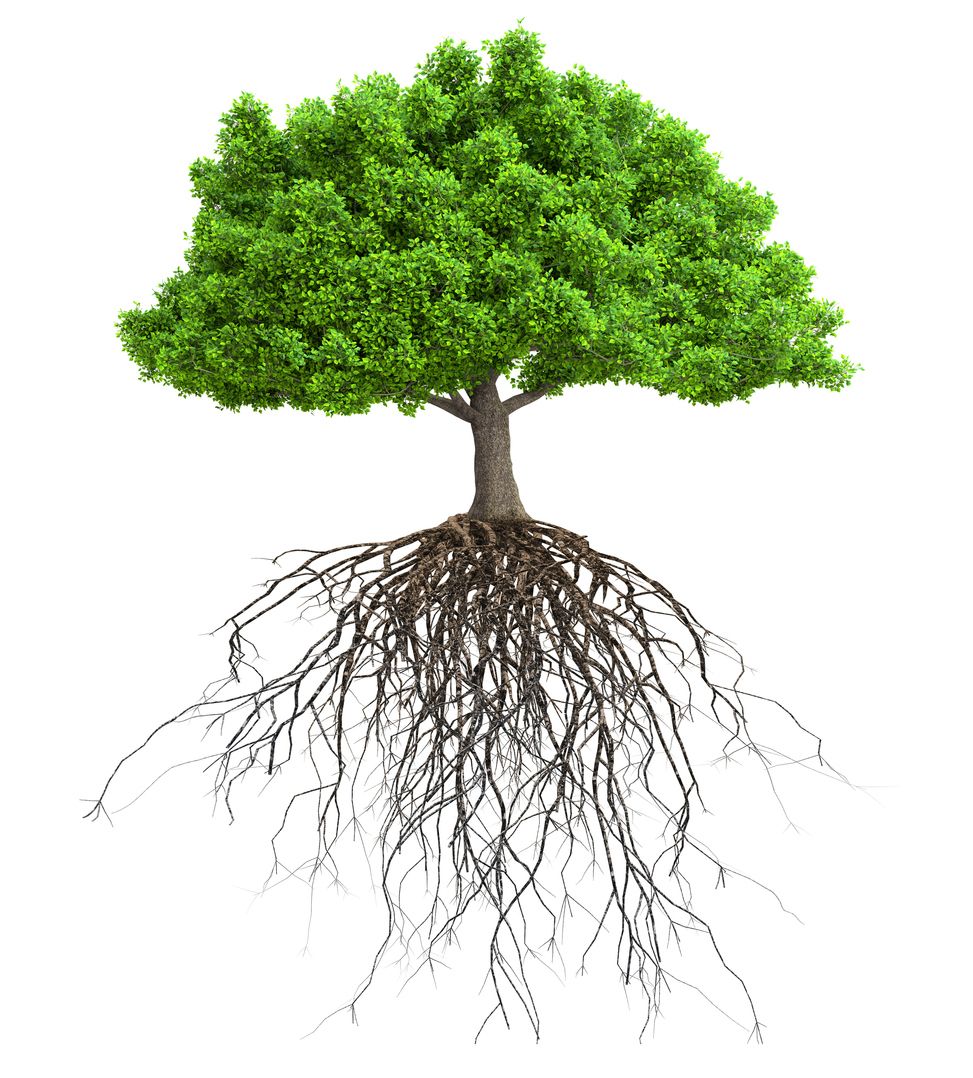
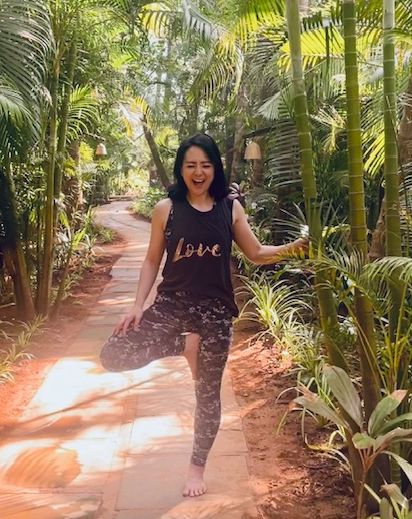
This week, I've been thinking which pose to use to help us prep for our ongoing headstand practice. Vrksasana, the Tree balance, is calling.
If you imagine a Tree pose, you might wonder what connection it has to a headstand—in fact, it kind of looks like the polar opposite of balancing on your head. But it's excellent prep —it teaches us a lot about harnessing the important play between opposites.
What Tree impresses so well is the experience of growing tall not by trying to continually headbutt the sky but by grounding in the opposite direction towards the Earth—encouraged through that common yoga cue, “Root to Rise!” The root-to-rise principle is just one way by which we use opposing action, direction, and intent to embody biomechanical, energetic, and emotional change.
Useful in Tree, essential in Headstand.
Cultivate the Opposite
With enough firmness to hold our tree, yet enough softness in the gaze and mind not to make rigidity our downfall, we find in this pose a myriad collection of opposites.
A few of these opposing actions to feel in your Tree:
Drawing on opposite thoughts can be just as helpful as the mechanics —swapping a frown for a smile, saying "I can" when you feel an internal "I can’t," noticing when a fixation arises on a shape, then quietly letting go of that grasping.
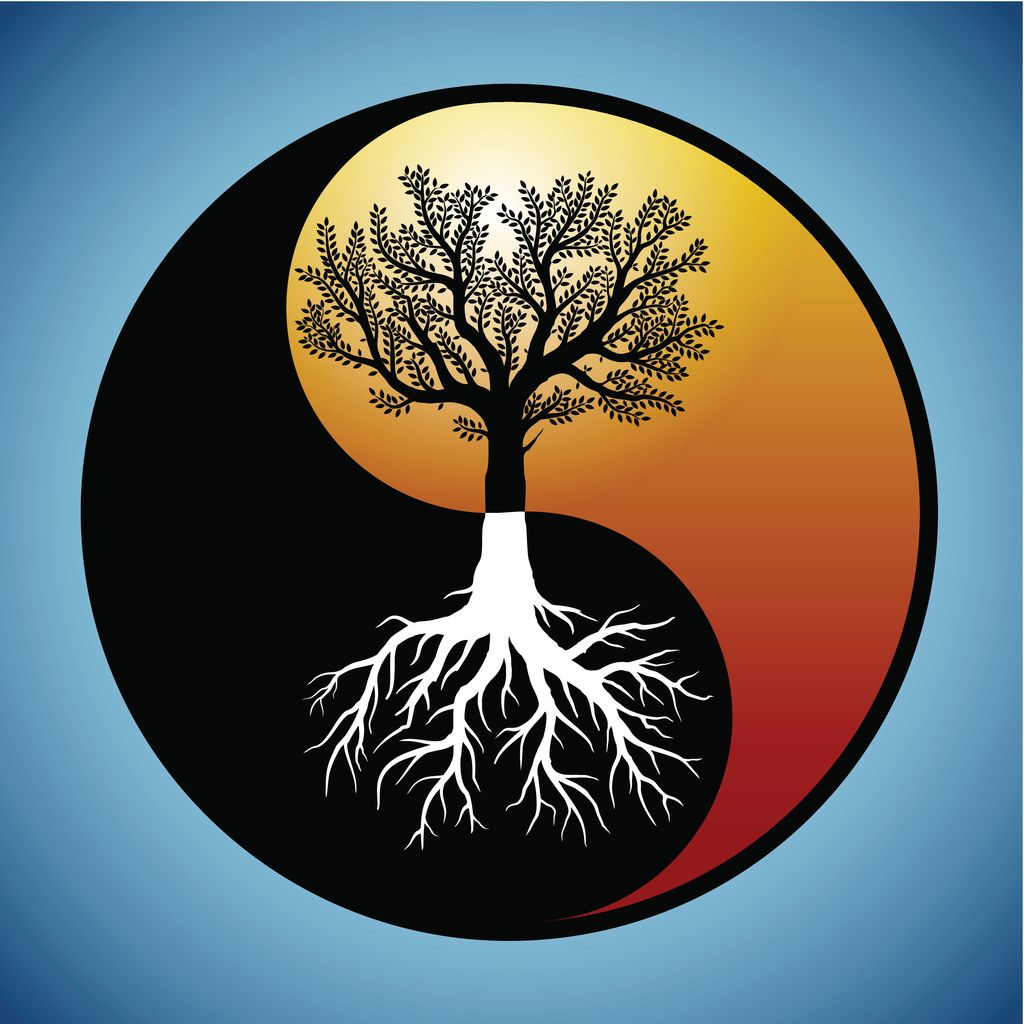
In yoga philosophy, there is a concept that seems somewhat relevant here called pratipakṣa bhāvanā. This idea translates to ‘cultivating the opposite’ and encourages the use of positive thoughts to counter negative ones. Not only does this practice help to foster a more comfortable mind in challenging asana, but it’s a nifty psychological hack, on and off the mat.
Let's Dance
Our yoga practice helps us move with exquisite pulsatility between opposite actions and thoughts, searching for a steady middle. When standing on a foot or one's head, working with opposing actions is a useful tool to play with so that our postures find a sense of integration, harmony and balance.
Falling isn't bad though - in fact, in Tree (and headstands, even), we might choose to embrace rather than curse the fall. Rather than always struggling to find the middle ground, simply noticing where we are in relation to these opposing forces can give us more enlightening moments. Because let's face it, we're always going to be dancing in between.
By understanding where we are in this dance, we can choose to cultivate a little of the opposite if needs or desires be. What might this do for our yoga and us?
Let’s practise.
Chang Park | APR 6, 2024
Share this blog post
 OfferingTree