Advanced Yoga
Chang Park | SEP 12, 2024
Advanced Yoga
Chang Park | SEP 12, 2024
Soon, I’ll be in Turkey enjoying a yoga week, labelled for intermediate students. I’ve always been slightly unsure when I see yoga described in categories like intermediate or advanced, especially when I’m being asked where I fit. But it also makes me reflect on the meaning of progress in yoga and what that actually looks and feels like.
Over the years, I have collected a few insights into this matter that have helped me understand progression in different ways. I’d love to share some with you.
Body
Perhaps we should address one of the most common and immediate perceptions of advancing yoga proficiency.
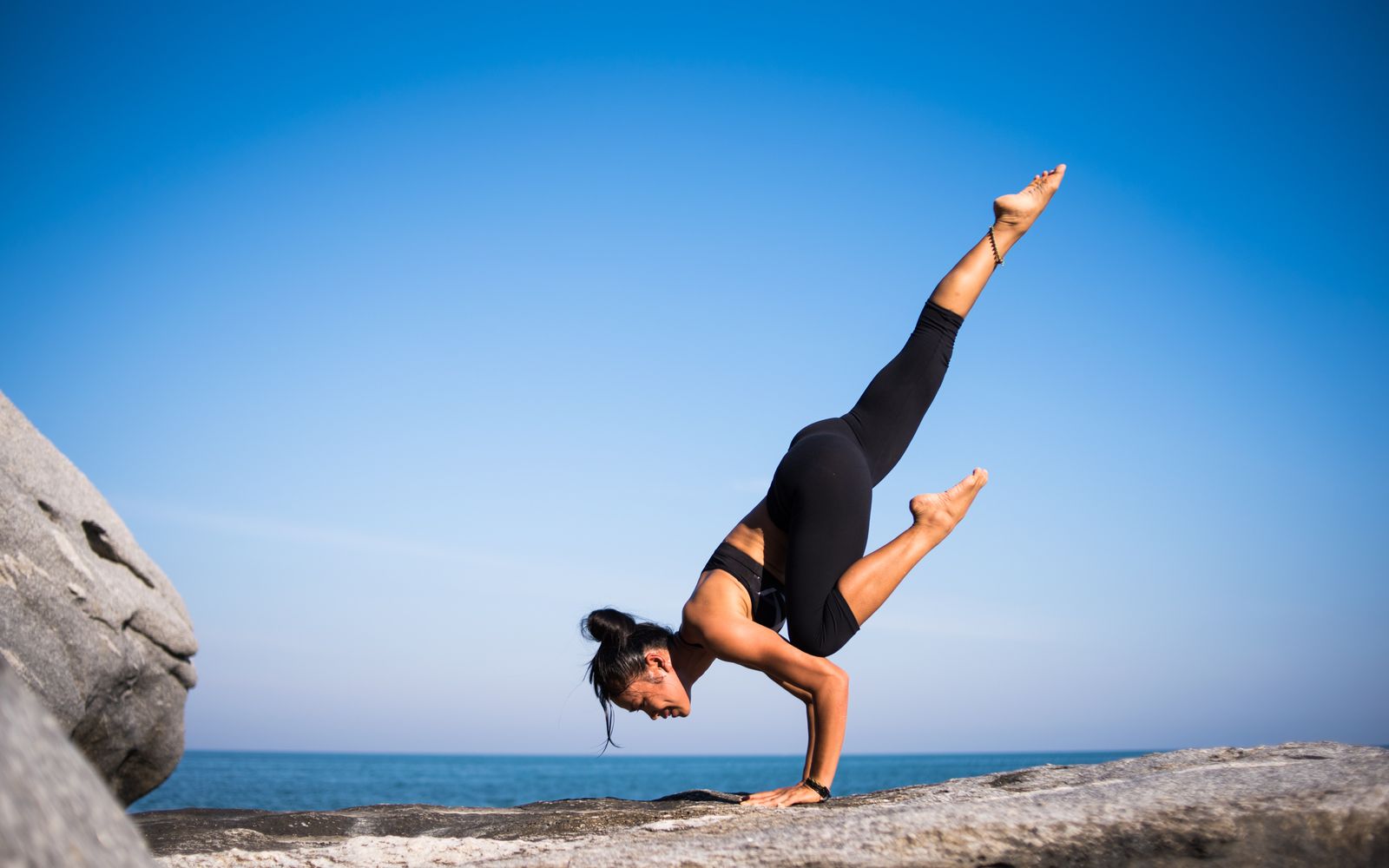
When people discover that I teach yoga, I typically get two standard responses: “You must be super flexible,” and “Does that mean you can do headstands and handstands?” Somewhat predictable comments, considering modern yoga tends to emphasise and admire postural achievement.
It’s difficult to deny that improved control over one’s body is a sign of progress in yoga. Visible physical changes of any degree can demonstrate the amount of effort put into a practice, depending on our baseline ability and some hours of discipline.
So, if you can eventually perform a challenging pose like a handstand or an arm balance, can you consider yourself an advanced practitioner? Perhaps.
Mind
Stephane Lalo - the senior teacher I’m learning from this week - spoke of progress last time we met. He said something along the lines of,
Ah, right - meditation comes in here, equanimity. So progression isn’t just about the body but also how we control our state of mind. Got it - so far, so yoga.
Most practitioners can relate to this. It’s one of the things that draws me back to yoga again and again. The calm and peace that I’ve realised are mine to uncover makes me feel like I can do and be anything in this world, momentarily and incrementally. As I progress, I feel like I could test my resilience further each time, pose by pose, and win. Poses, check. Serenity, check.
So, if I'm as cool as a cucumber in a pose as challenging as a handstand, can I consider myself an advanced practitioner? Perhaps.
Presence
David Swenson is a renowned Ashtanga teacher with the most accomplished physical practice. He offers another perspective on the flow of natural progression that can look and feel impressive.
He once implored in an interview that if we choose to practice asana, we should do it to appreciate the wonders of the body rather than to measure our worth and status as yogis. He described advanced poses as enjoyable and beneficial tools for the body—entertainment even—but cautioned against accumulating poses as if they were currency, believing that this alone will make us wealthy.
Swenson says that rather than flexibility or physical prowess, advancement is determined by our presence, focus, and intention wherever we find ourselves,
It poses an interesting question: How are we when all distractions are gone, and we eventually have to let go of all the asana we’ve so prized before? Can we still penetrate the richness of the present moment in the same way?
So, am I an advanced practitioner if I can sustain the same level of presence in a posture like Tadasana as I do in a handstand? Perhaps.
Regulation
Another definition of progress has stuck with me over the years. I remember a teacher saying she considered someone more advanced if they could self-adjust.
Self-management requires a level of awareness developed to the extent that we make the right choices at the right time. In a yoga class, that might mean reaching for a prop or recognising that you don’t need one, staying in a pose a bit longer or coming out of it sooner. The ability to develop a self-sufficient home practice might also fall into this category.

Like all yogic principles, this idea extends beyond the mat. The same teacher once reassured me that not coming to yoga was still yoga. What she meant then, of course, was that being able to choose wisely was more important than being able to do any posture.
So, am I an advanced practitioner if I choose a lie-down (or even a lie-in!) instead of a handstand? Perhaps.
Light
This final observation is my own. When I think of my favourite yoga people, they all share a common trait —something I’d describe as lightness.
Despite being fully invested in and even heavily identified with their yoga practice, the most advanced yogis have somehow managed to lose the hard edges around the seriousness and rigour of their study. However skilled or mindful their practice appears, nothing compares to the unmistakable lightness of the energy they exude.
Moreover, it's intriguing to me that some students seem to embody this effortlessness more than their teachers. I’m referring to those people who practice without ego, understanding how yoga serves them in the moment and in life, no less, no more. I’ve even wondered whether my husband, who doesn’t do yoga at all, is the greatest yogi I know. 🤔
So, if I stop trying to be a better yogi and decide to do handstands just for fun, am I an advanced practitioner? Perhaps.
Advancing Your Yoga
I used to think advancement meant gradually being able to do all those difficult poses. But now I think it’s not that simple. Progression can take on a variety of guises. Fantastically, we can choose what progress means to us and whether it even matters.
What does progress look like to you?
Let’s practise.
Chang Park | SEP 12, 2024
Share this blog post
 OfferingTree